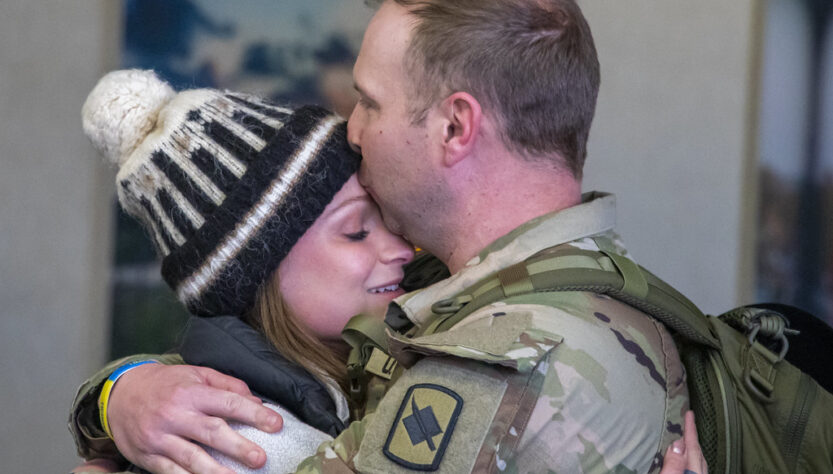
European troops Ukraine deployment is a significant step towards maintaining peace in the region. As thousands of soldiers prepare for rehearsals, the implications for security and diplomacy are profound.
Overview of European troop deployments
The recent announcement regarding the European troops Ukraine deployment has sparked significant discussions across the continent. As tensions in the region continue, European nations are preparing to enhance their military readiness through large-scale exercises.
These maneuvers aim to improve coordination and effectiveness among allied forces in the event of a peaceful resolution in Ukraine. The key objectives include:
- Strengthening joint operational capabilities
- Enhancing communication between different military units
- Testing logistical frameworks for troop movements
Military leaders emphasize the importance of these rehearsals, arguing that they not only reinforce unity among European nations but also serve as a deterrent against potential aggressions. Preparedness is crucial, they assert, as it demonstrates a commitment to maintaining stability in the region. The upcoming exercises will play a vital role in shaping future peacekeeping strategies.
Impacts of military rehearsals
The recent military rehearsals involving European troops underscore the strategic importance of preparedness in the context of a potential Ukraine deployment. These exercises are designed not only to enhance operational readiness but also to strengthen alliances among participating nations.
Key impacts of these military rehearsals include:
- Enhanced Coordination: Troops from various countries work together, improving communication and joint tactics.
- Increased Deterrence: Visible military readiness serves as a deterrent against further aggression in the region.
- Training Opportunities: Soldiers gain invaluable experience in diverse scenarios, which can be applied in real-world situations.
- Support for Peace Initiatives: The rehearsals signal a commitment to maintaining stability in Ukraine, fostering a climate conducive to peace negotiations.
As European troops prepare for a potential Ukraine deployment, these rehearsals highlight the ongoing efforts to ensure security and promote peace across the continent.
The role of NATO in Ukraine
NATO has played a crucial role in shaping the security landscape in Eastern Europe, particularly regarding the European troops Ukraine deployment. The alliance has focused on strengthening its presence and readiness in response to ongoing tensions in the region.
Through various initiatives, NATO aims to enhance collective defense and deter potential aggressors. Some key strategies include:
- Increased military exercises: Regular joint exercises among member states ensure interoperability and readiness.
- Infrastructure improvements: Upgrading facilities and supply chains to support rapid troop deployments in crisis situations.
- Intelligence sharing: Enhanced communication and intelligence sharing among NATO members bolster situational awareness.
These strategies are designed not only to prepare for potential conflicts but also to promote stability and peace in Ukraine and beyond. Ultimately, the European troops Ukraine deployment reflects a commitment to defending shared values and safeguarding regional security.
Historical context of Ukraine’s conflict
The conflict in Ukraine has deep historical roots, with tensions escalating significantly since 2014. Following Russia’s annexation of Crimea, Ukraine faced increased military aggression, which prompted a reevaluation of European security strategies. The ongoing instability in the region has led to a surge in discussions surrounding European troops Ukraine deployment as a potential measure for restoring peace.
Throughout history, Ukraine has been a battleground for various geopolitical interests, reflecting its strategic importance in Europe. The legacy of Soviet influence and the subsequent push for Western integration have further complicated the situation. As European nations unite to address this crisis, they are drawing lessons from past conflicts.
Efforts to deploy troops aim not only to deter further aggression but also to foster a sense of stability and support Ukraine’s sovereignty. Understanding the historical context is essential for crafting effective strategies that can lead to lasting peace in the region.
Reactions from local populations
The deployment of European troops in Ukraine has elicited a range of reactions from local populations, reflecting both hope and apprehension. Many residents express optimism, believing that the presence of foreign troops could lead to a more stable and secure environment. Local community leader Ivan Petrenko stated, “We see this as a step towards peace and rebuilding our lives.”
However, concerns also linger among some citizens. Maria Kovalenko, a local shop owner, voiced her worries, saying, “While we want peace, we fear that an increased military presence might escalate tensions.”
Additionally, surveys indicate a split in public opinion regarding the European troops Ukraine deployment, with 45% of respondents supporting the initiative and 30% expressing skepticism. These mixed reactions highlight the complexity of the situation as communities grapple with the implications of foreign military involvement in their daily lives.
Future implications for European security
The deployment of European troops to Ukraine not only aims to stabilize the region but also holds significant implications for future European security. As these forces undertake military rehearsals, they are developing proven strategies that may effectively contribute to lasting peace in a historically volatile area. The collaborative efforts between European nations underscore a commitment to collective defense, enhancing deterrence against potential aggressors.
Moreover, the presence of European troops in Ukraine can foster stronger ties among member states, promoting unity and shared objectives in security policy. This strategic positioning may also serve to reassure neighboring countries, reinforcing a collective security framework that is essential for regional stability.
As the situation evolves, the lessons learned from these deployments can shape future military and diplomatic strategies, ensuring that European nations are better prepared to address emerging threats while supporting Ukraine’s sovereignty and territorial integrity.
Diplomatic efforts alongside military actions
The deployment of European troops in Ukraine is not solely a military strategy; it is also intertwined with diplomatic efforts aimed at promoting peace. Diplomacy plays a crucial role in complementing military actions, creating an environment conducive to negotiations and conflict resolution.
European leaders are engaging in discussions with various stakeholders, including Ukrainian officials and international organizations, to facilitate a sustainable peace process. These interactions often focus on:
- Establishing ceasefire agreements
- Encouraging humanitarian initiatives
- Promoting economic stability in affected regions
Moreover, the presence of European troops in Ukraine serves as a deterrent against further aggression, while also providing a framework for dialogue. Such a dual approach, combining military readiness with robust diplomatic outreach, is essential for the success of European troops Ukraine deployment and lasting peace in the region.
Analysis of peace strategies
The deployment of European troops in Ukraine has been met with a complex set of strategies aimed at fostering peace in the region. As military rehearsals unfold, experts emphasize the importance of a multifaceted approach that combines deterrence with dialogue.
Key strategies include:
- Engagement with local communities: Understanding and addressing the concerns of Ukrainian citizens is vital for gaining their support and trust.
- Joint exercises: Conducting joint military drills not only enhances interoperability among European forces but also signals a unified stance against aggression.
- Humanitarian initiatives: Alongside military efforts, providing aid and resources to affected populations helps create a foundation for lasting peace.
As European troops prepare for potential deployment in Ukraine, the success of these strategies will hinge on balancing military readiness with a commitment to sustainable diplomatic solutions.
The European troops Ukraine deployment has been a pivotal move in stabilizing the region. By analyzing the impact of the European troops Ukraine deployment, we can identify key strategies that promote lasting peace.
By The National Guard via Openverse
References
Related reading
Arsenal Transfer News: Best Deal for Kroupi is Clear · NASA Swift Observatory crash: Where pieces may land this week · Sabrina Gonzalez Pasterski: The Best Physicist Exploring Mysteries